About the Journal

Jurnal Ilmiah Medicamento, abbreviated as JINTO, with the registered e-ISSN 2356-4814, is an open-access scientific journal in the field of pharmacy. Each and every manuscript in this journal is reviewed by at least two reviewers and conducted through a double-blind peer review system to ensure objectivity and high-quality assessment. JINTO has been accredited by ARJUNA with a SINTA 4 ranking since Vol. 5 Issue 1 in 2019. Starting from Vol. 9 Issue 1 in 2023, the journal has been elevated to a SINTA 2 accreditation, as per the Decree of the Director General of Higher Education, Research, and Technology, Ministry of Education, Culture, Research, and Technology of the Republic of Indonesia, Number 177/E/KPT/2024, dated October 15, 2024.

JINTO is published biannually in March and September and aims to disseminate current scientific knowledge to researchers in the pharmacy field. The journal accepts original research articles and review articles encompassing various areas of pharmaceutical science, including Pharmacology and Toxicology; Clinical and Community Pharmacy; Pharmaceutical Chemistry and Analysis; Pharmaceutical Biology and Natural Products; Pharmaceutical Technology; Pharmaceutical Microbiology and Biotechnology; Regulatory Affairs and Pharmacy Marketing Research; and Alternative medicine.

A total of fourty-four (44) articles published in Jurnal Ilmiah Medicamento have been cited by articles in Scopus-indexed journals, with a total of 86 citations (updated September 2026).

Total citations since 2021 (Google Scholar): 2,458
Total documents/articles published: 228
h-index: 23; i10-index: 70; Impact Factor (SINTA data): 1.12
Acceptance rate: 29%

Announcements

Current Issue

Vol. 12 No. 2 (2026): Jurnal Ilmiah Medicamento
					View Vol. 12 No. 2 (2026): Jurnal Ilmiah Medicamento

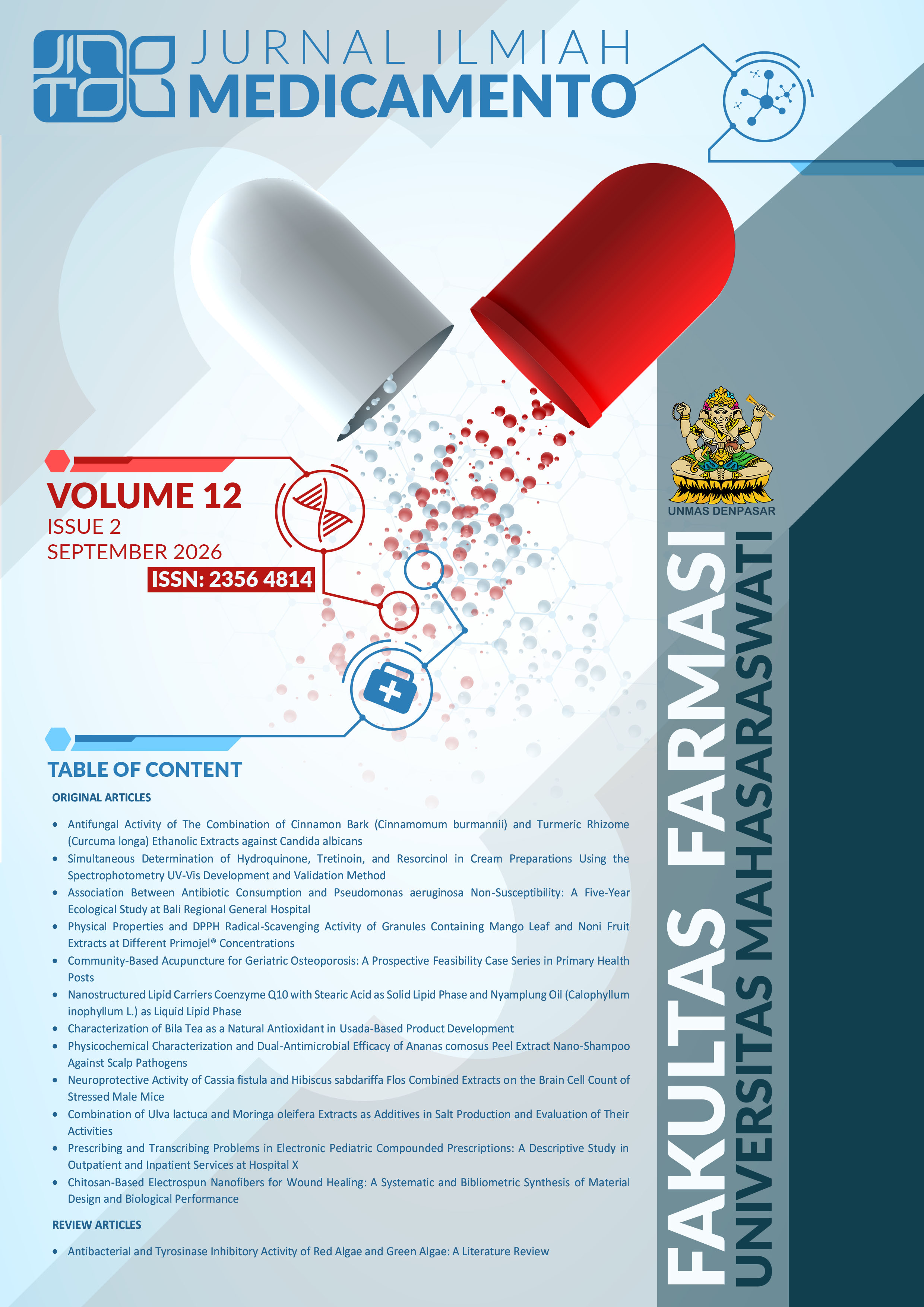
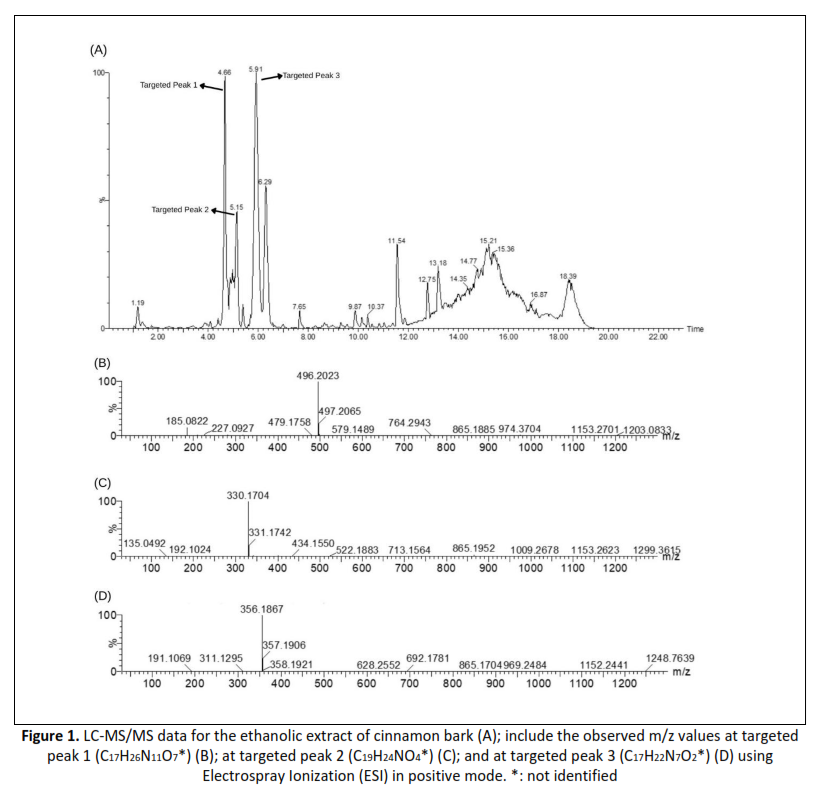
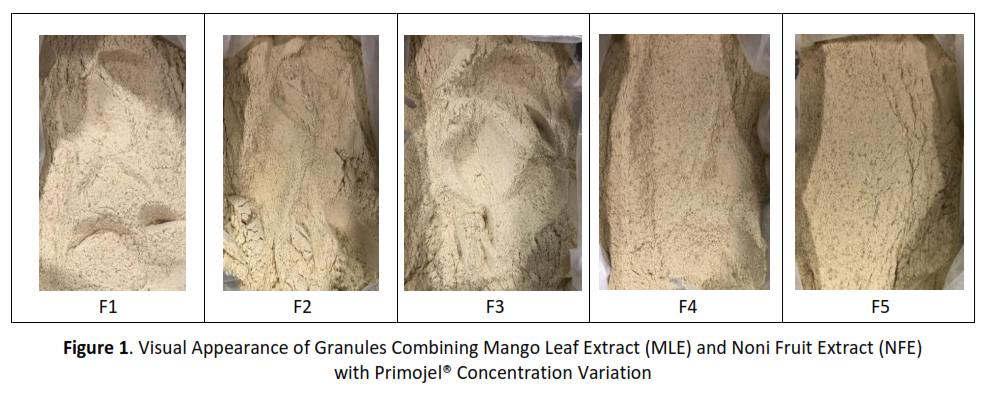
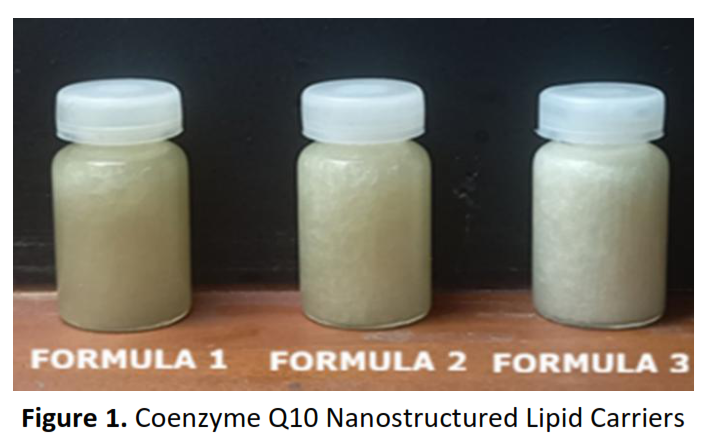
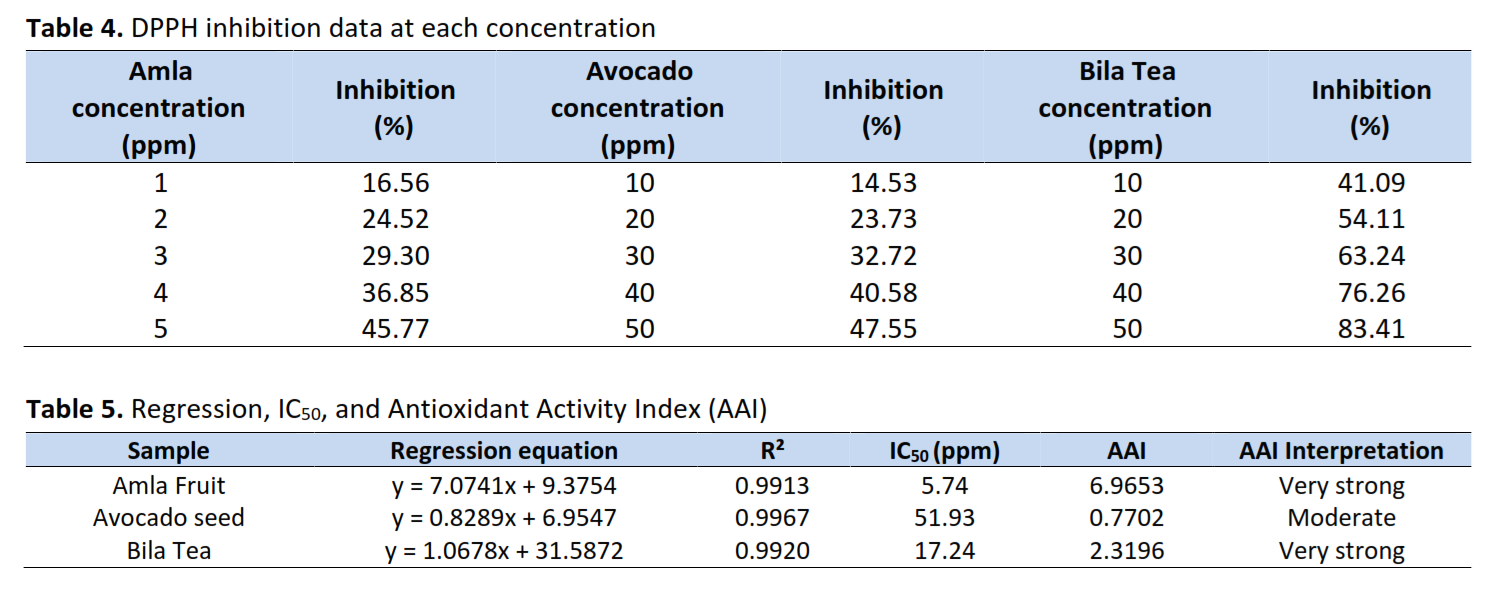
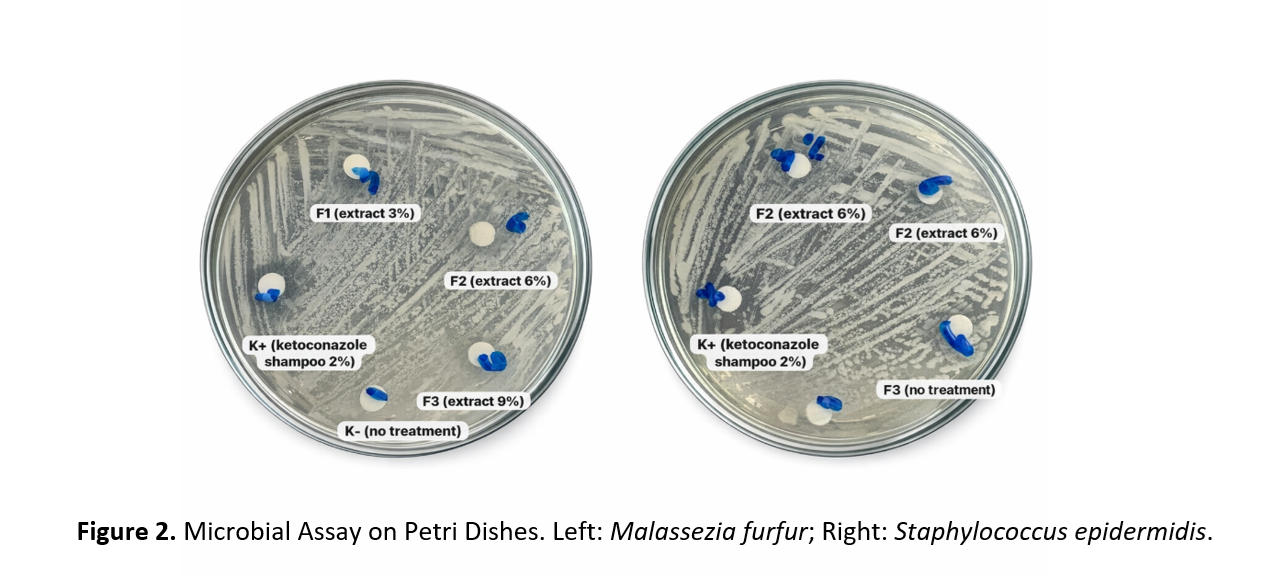
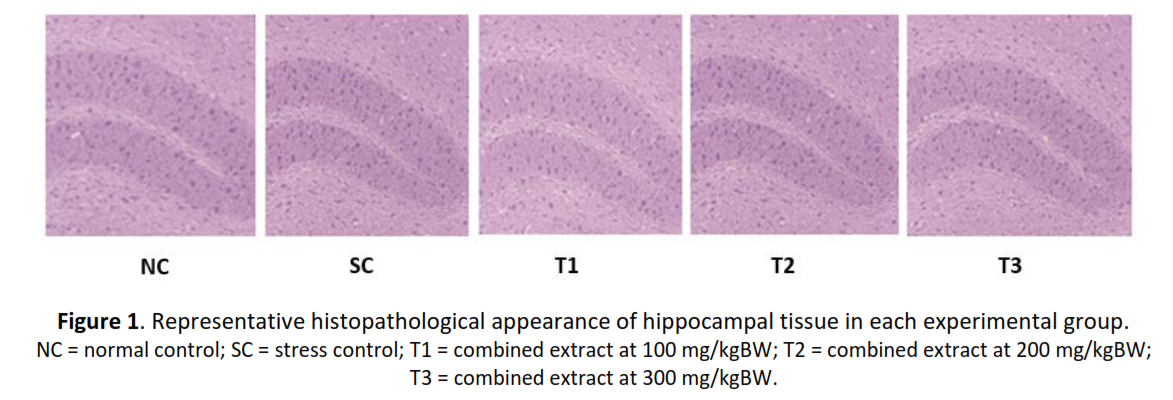
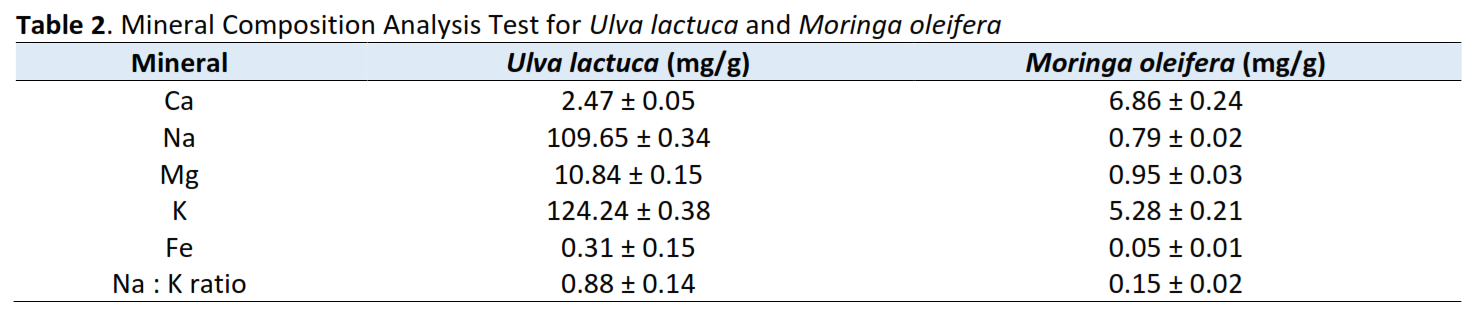
This issue features 12 original research articles and one review article, covering diverse topics in pharmaceutical and health sciences. Research on natural products includes the antifungal activity of cinnamon bark (Cinnamomum burmannii) and turmeric rhizome (Curcuma longa) extracts against Candida albicans; the antioxidant potential of mango leaves and noni fruits (Morinda citrifolia) in granule formulations; the characterization of Bila tea as a natural antioxidant; and the use of pineapple (Ananas comosus) peel extract in nano-shampoo formulations targeting scalp pathogens. Other studies investigate coenzyme Q10 nanostructured lipid carriers incorporating stearic acid and nyamplung oil (Calophyllum inophyllum), the neuroprotective potential of combined Cassia fistula and Hibiscus sabdariffa flower extracts, and the application of Ulva lactuca and Moringa oleifera extracts as additives in salt production.

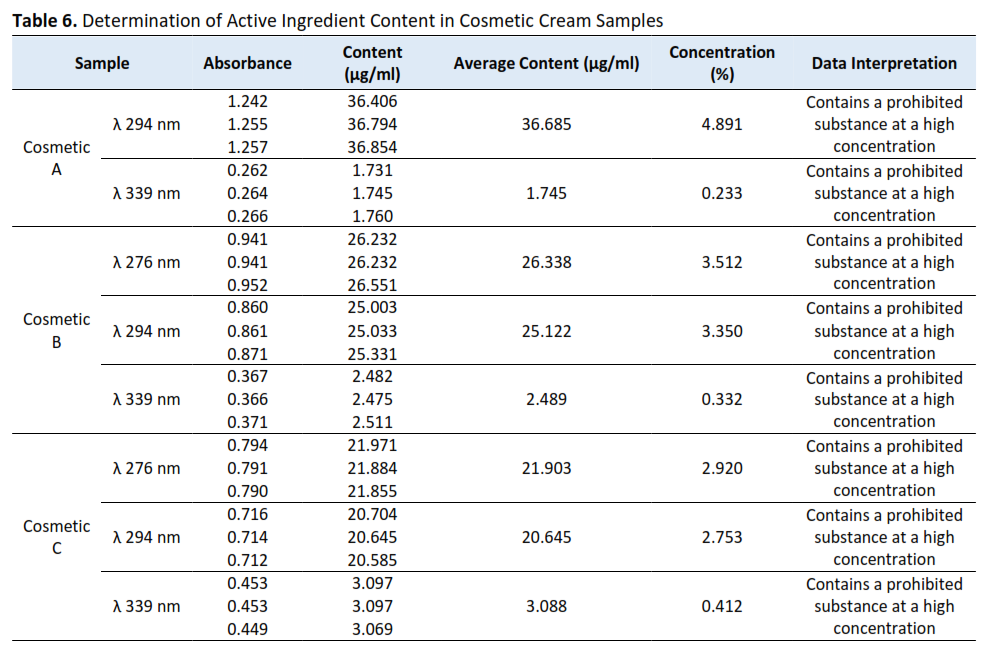
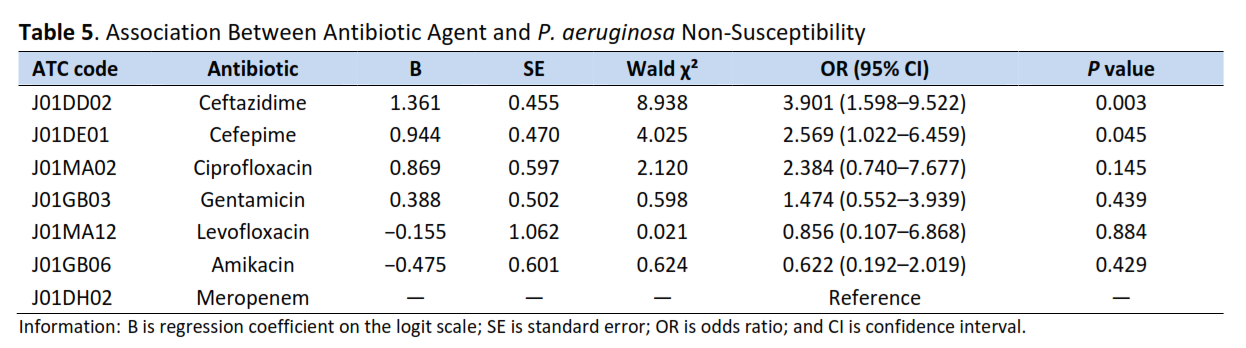
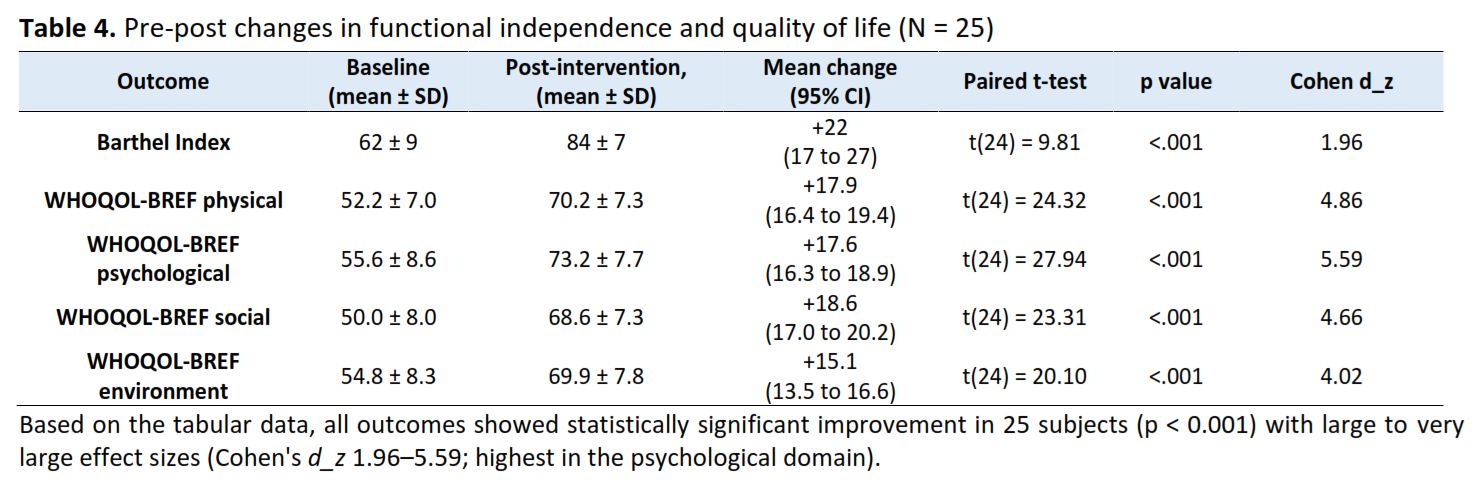
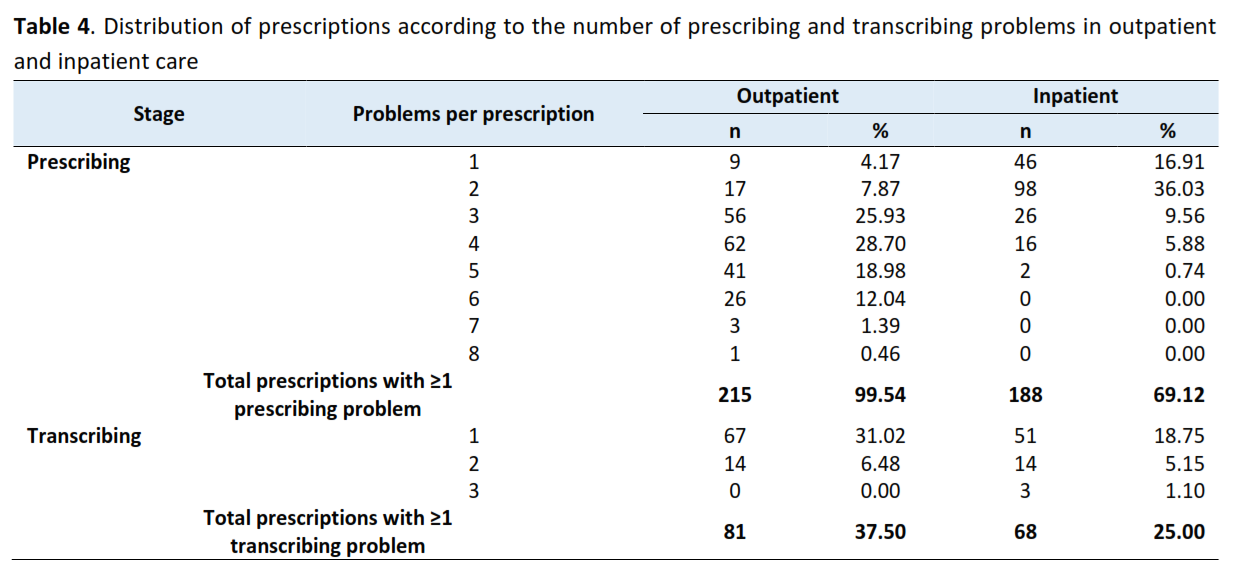
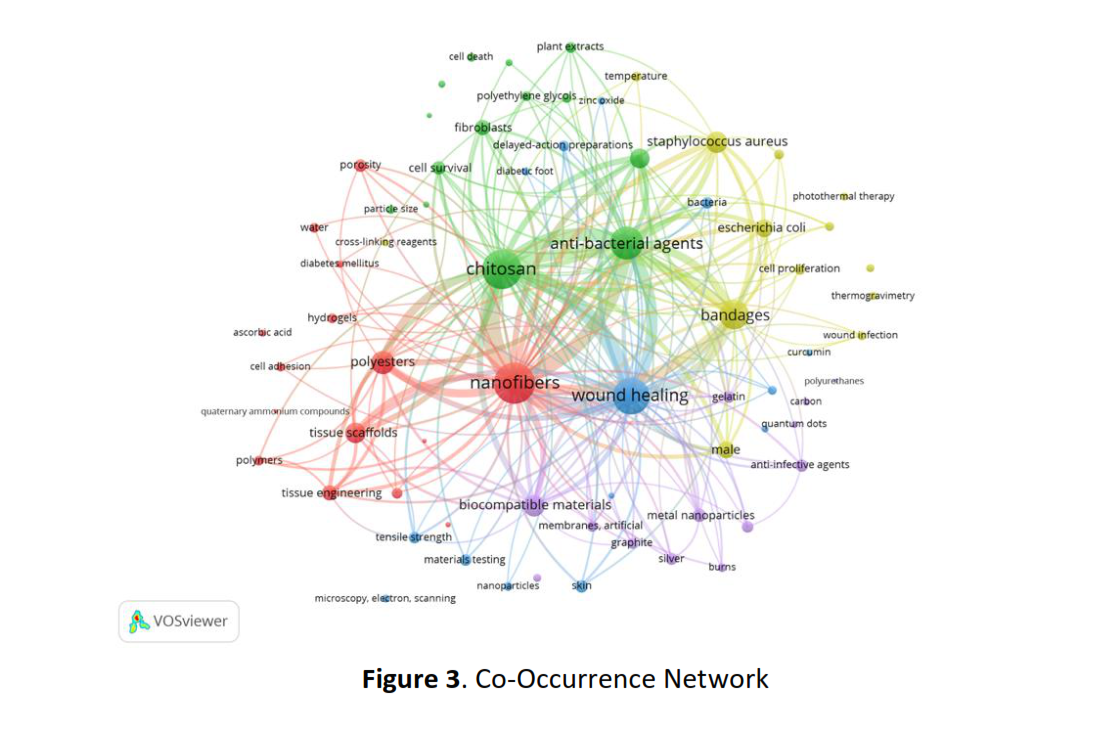
The issue also presents studies on pharmaceutical analysis, including the simultaneous determination of hydroquinone, tretinoin, and resorcinol in cream preparations, as well as research addressing antibiotic consumption and Pseudomonas aeruginosa non-susceptibility, community-based acupuncture for geriatric osteoporosis, and prescribing and transcribing problems in electronic pediatric compounded prescriptions. In addition, a systematic and bibliometric study explores material design and biological performance of chitosan-based electrospun nanofibers for wound healing.

Together, these articles highlight current research interests in natural product development, pharmaceutical formulation and drug delivery, analytical methods, antimicrobial research, and healthcare practice.

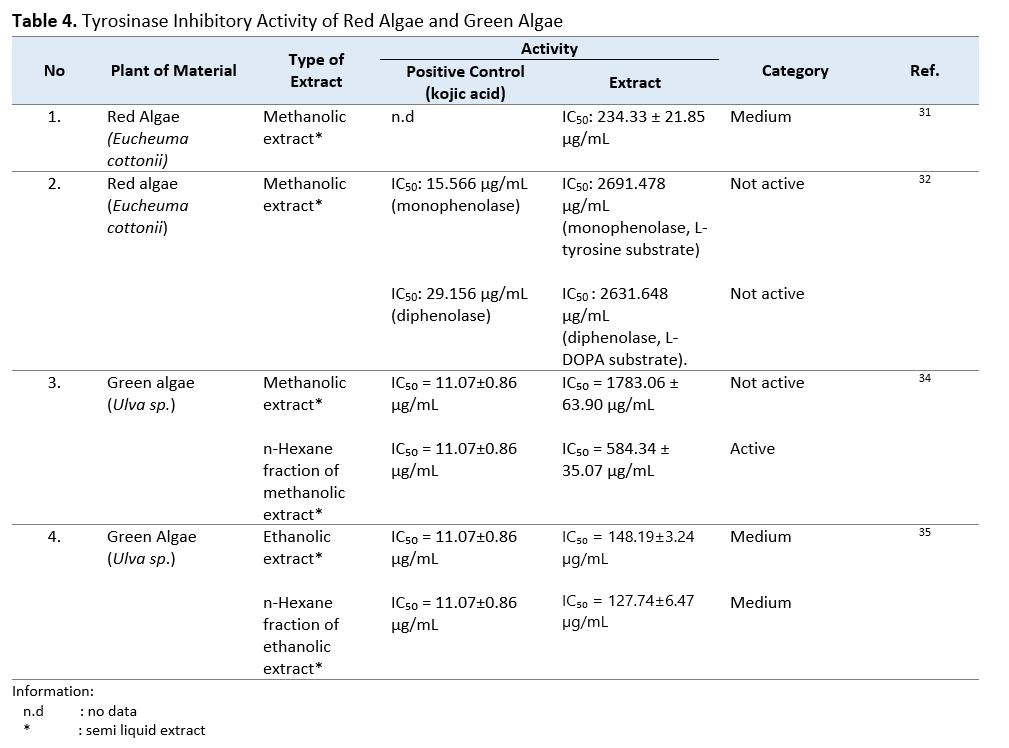
The review article examines the antibacterial and tyrosinase-inhibitory activities of red algae and green algae. It discusses the potential of these marine natural resources as sources of bioactive compounds with possible applications in pharmaceutical and healthcare-related product development.

DOI: 10.36733/medicamento.v12i2
Published: 30-09-2026

Original Articles

View All Issues